
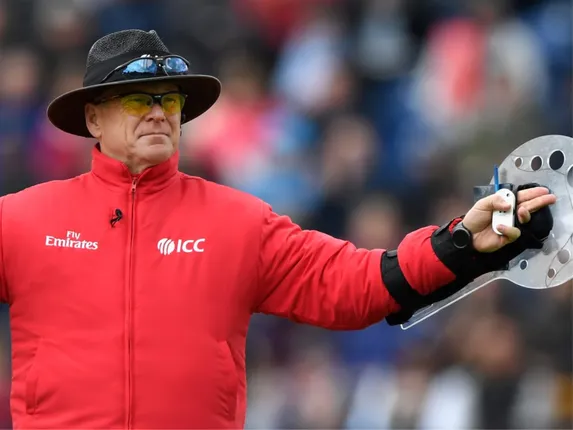
In modern cricket, an umpire’s role extends far beyond simply making decisions on the field. Umpires are responsible for maintaining the spirit of the game, ensuring fair play, enforcing the Laws of Cricket, and managing the overall conduct of a match with professionalism and confidence.
Cricket today is faster, more competitive, and played under greater pressure than ever before. From international stadiums to school grounds, umpires are expected to make accurate decisions within seconds while remaining calm, neutral, and consistent throughout the game.
A professional umpire must possess:
Strong knowledge of the MCC Laws of Cricket
Excellent concentration and decision-making skills
Clear communication and match management abilities
Discipline, confidence, and professionalism
The ability to remain fair and unbiased under pressure
Modern officiating also requires umpires to work closely with players, scorers, match referees, and technical officials to ensure matches are conducted smoothly and according to regulations. Beyond on-field decisions, umpires are responsible for maintaining discipline, handling difficult situations, and protecting the integrity of the game.
Continuous learning has become an essential part of cricket officiating. With evolving playing conditions, technology, and match formats, umpires must regularly update their knowledge and improve their skills through training, evaluations, and practical experience.
The Association of Cricket Umpires Sri Lanka (ACUSL) continues to support the development of professional cricket officials by providing education, mentorship, and structured training programs that prepare umpires for the demands of modern cricket.